


Is using fabric softener effective or not?

Much like detergent, fabric softener is a product that many people rely on to keep their clothes in optimal condition. Whether it is liquid softener added to the washing machine or a solution used for hand washing, the product is used to soften clothes and reduce the static effect when synthetic fabrics come into contact with the skin. But despite the many benefits of fabric softener, when used incorrectly, it can wreak havoc on certain fabrics. From delicate cashmere wool to moisture-wicking sportswear, the list of fabrics you should never wash or dry with fabric softener is more extensive than you might think.
Table of Contents
- What is fabric softener?
- The benefits of fabric softener
- Can fabric softeners be used for all types of fabrics?
- What are the benefits of a professional fabric softener?
- How to use fabric softener?
- Myths about fabric softener
- Precautions in using fabric softener
1. What is fabric softener?
Fabric softener works by coating fibers with natural oils or synthetic polymers, adding a layer of protection that goes beyond what detergent alone can offer. It is an essential laundry product for softening clothes and making them more comfortable to wear against the skin. It also acts to reduce static cling and helps keep clothes looking new.
In addition, a fabric softener imparts a pleasant fragrance to clothes, adding a touch of freshness. The properties of fabric softeners vary depending on the brand and type, so it is important to choose the one that best suits your needs.

2. The benefits of fabric softener
Using fabric softeners during laundry can bring various benefits. Some of these benefits include the following:
- Fabric softener helps keep fabrics in better condition for longer periods of time, preventing color fading and avoiding the fibers from becoming matted or brittle.
- Fabric softeners can also help improve absorbency, allowing clothes to dry faster and saving energy and money on drying costs.
- Softener also helps keep colors vibrant and fresh, leaving clothes looking brighter and cleaner after every wash.
As an added bonus, professional fabric softener can help achieve a fresher and more fragrant scent than ever before!
In conclusion, fabric softeners are a great way to care for and protect your clothes, helping them look like new. The smoothing process of fabric softener helps reduce static cling and makes fibers softer, which in turn allows creases to fall out more easily when taken out of the washing machine.
3. Can fabric softeners be used for all types of fabrics?
This is a very common question. Softener is generally safe to use on all types of fabrics, but certain items may benefit from a wash without softener. This is because softener leaves a silky film on clothes that can hinder their absorbency, so it is best not to use them on towels, microfiber cloths, and quick-dry sportswear.
To ensure towels remain soft and fluffy, yet still absorbent, it is essential to alternate washes with and without fabric softener. When washing any textile item, always read the label on the item itself and the label on the fabric softener to ensure the best results.
4. What are the benefits of a professional fabric softener?
Anti-static effect
Fabrics naturally have a negative charge. Fabric softener has a positive charge, thus making the surface charge neutral and ensuring that clothes will not cling to you or other pieces of clothing.
Pleasant feel on the skin
Fabric softener imparts a sense of softness to clothes, acting similarly to hair conditioner.
Reduces drying time
Using fabric softeners will reduce drying time because it essentially repels liquid, so less water is absorbed into the fabric. There is no need to worry that this prevents the thorough cleaning of the fabrics, however, it is important to keep in mind that fabric softener is only added during the rinse cycle.
Reduces the feeling of harshness on the skin
Because any fabric softener is slightly acidic, it neutralizes the pH level of the fabrics, reducing the risk of skin irritation that can be caused by alkaline residues.
Easier ironing
A professional fabric softener in particular lubricates the fabrics, making ironing easier. You can also dilute 1 capful of fabric softener with water in a spray bottle and use it as an ironing aid.

5. How to use fabric softener?
Fabric softener is a great way to quickly and easily care for clothes. All you have to do is add it to the washing machine, in the special compartment dedicated to it. Below, we will review some easy-to-follow instructions to keep in mind when using fabric softeners.
First, check the clothing labels. These will provide laundry symbols and instructions on the best way to care for the clothes.
After checking the label, you need to measure the amount of fabric softener. Usually, when washing a regular load of clothes, you will need about 35 ml to 55 ml of softener. This will be added to the small detergent drawer in the washing machine.
Then you will choose the necessary water temperature and the cycle that best fits. From there, you will simply let the machine do its job.
Fabric softeners can also be used for hand washing clothes. When washing by hand, it is recommended to use 18 ml of softener. Make sure your clothes are completely covered with the softener before pouring the content out. As a final step, it is important to rinse the clothes with water before hanging them to dry.
It is important to note that when using a fabric softener, it is crucial to wash your hands immediately after use. For many, fabric softener can irritate the skin and, in some cases, will cause rashes.
6. Myths about fabric softener
MYTH: Fabric softener waterproofs clothes.
TRUTH: To a certain extent, this is correct, but only if you use more than the recommended dosage. If used according to the product instructions, this will not happen. If you accidentally add too much, simply wash the clothes as normal without adding fabric softener, and after a few washes, the buildup on the clothes will be removed.
MYTH: Fabric softener can yellow white fabrics.
TRUTH: Many older fabric softener formulas were prone to giving whites a yellowish tint. Current fabric softeners are less likely to cause this, however, it is always important to follow the dosage instructions, as excessive use could lead to garment damage.
MYTH: Fabric softener clogs the washing machine.
TRUTH: This could only happen through extremely excessive use of fabric softener. Machines can get clogged with biofilm buildup. Biofilm can sometimes look like fabric softener, but it is actually a buildup of bacteria and is more common in machines where low-temperature wash cycles are always used, combined with the use of liquid laundry products.
7. Precautions in using fabric softener
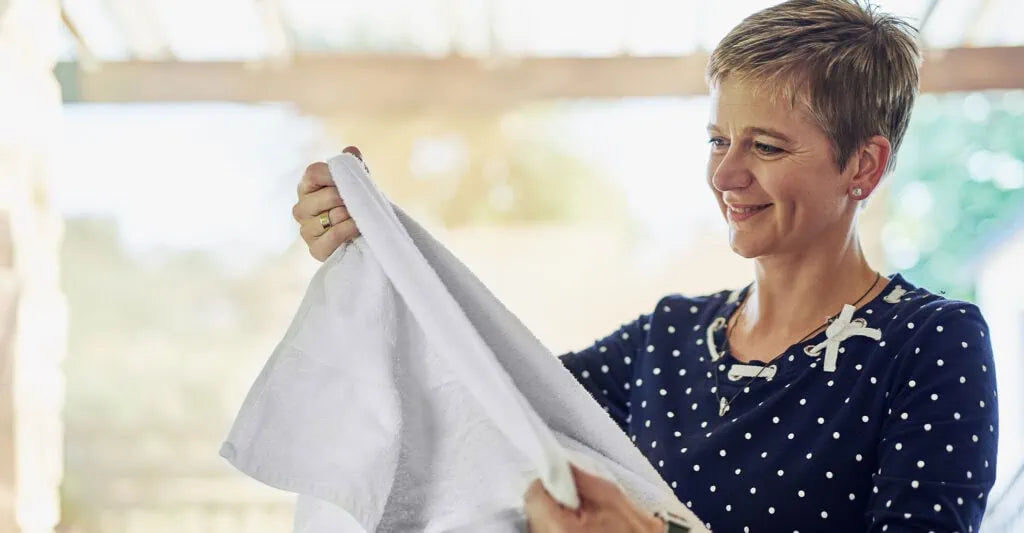
Do not (always) use fabric softener when washing towels
While a little fabric softener can help keep towels smooth and fluffy, too much fabric softener can also reduce their absorbency (which somewhat defeats the purpose).
Avoid using fabric softeners on certain fabrics
Due to its chemical properties, fabric softeners can make certain materials harsh. Avoid using them on microfiber, because, as with towels, they can impact its absorption efficiency.
You will also want to skip fabric softener on special fabrics, such as moisture-wicking sportswear, children's clothes, fire-retardant pajamas, or water-resistant items and synthetic fabrics, such as polyester or anything containing elastane and nylon.
Pay attention to wool and delicate natural fabrics
If you use fabric softener when washing delicate wool items, then you should consider a few aspects. Fabrics such as wool, cashmere, and mohair offer comfort in wear by being soft and pleasant to the touch, but when coated with softener, they lose their texture. Instead of softener, wash the clothes with a soap that will rinse away completely to leave their natural feel.
Do not use fabric softener on children's items
Along the same lines, it would be better not to use fabric softener on baby clothes. First of all, many baby pajamas are made from fire-resistant materials, and fabric softener could reduce their effectiveness.
Also, babies have more sensitive skin, which could be irritated by harsh chemicals such as fabric softeners or regular detergents.
Do not pour fabric softener directly onto clothes
Unlike stain removers, fabric softener is intended for use in the washing machine. Applying it directly to clothes can leave stains that are difficult to remove. To prevent fabric softener from spilling onto clothes, make sure not to overload the washing machine with too many items so that the water can circulate and dilute and distribute the softener and detergent.
Conclusion
Fabric softener, whether we are talking about a commercial one or a professional fabric softener, is an extremely useful product if used correctly. The amount of softener used must always be consistent with the type of fabric, as well as the instructions on the clothing labels.
Sources:
https://www.apartmenttherapy.com/is-fabric-softener-necessary-263300
https://www.tru.earth/Everything-You-Need-To-Know-About-Fabric-Softener


