Surface & Floor Disinfectants
-
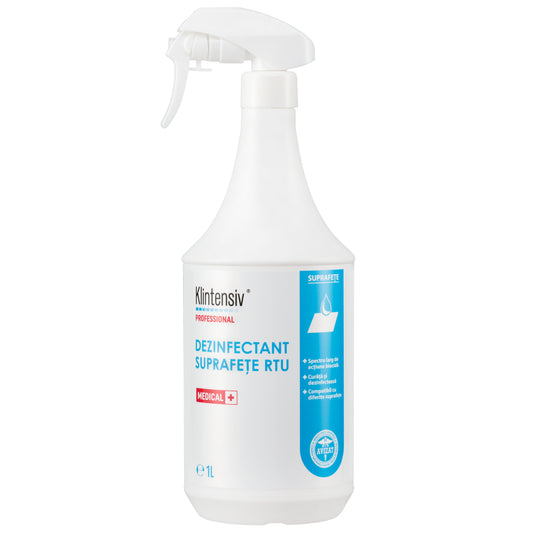
Klintensiv® ready-to-use surface disinfectant
Klintensiv® Surface Disinfectant RTU Formulated with over 98% biodegradable ingredients, rigorously tested and validated according to European standards, this ready-to-use disinfectant combines medical efficiency with ease of application. With a broad spectrum of action – bactericidal, fungicidal, yeasticidal, virucidal, mycobactericidal, and sporicidal – the...4.92 (324)- From 18,00 lei
- From 18,00 lei
- Unit price
- per
-
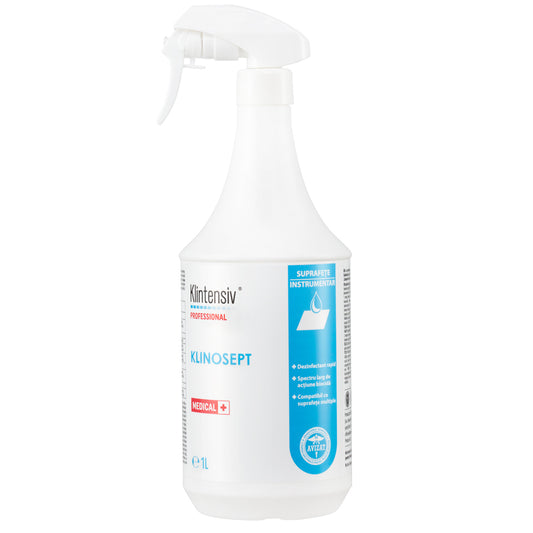
Klinosept® rapid alcohol-based surface disinfectant
Klinosept® rapid surface disinfectant based on 85% alcohol Klinosept is the right choice for hospitals, clinics, and institutions that require proven efficacy and a fast action time. The 85% ethanol-based formula, validated according to European EN standards, ensures a broad spectrum of coverage: bactericidal,...4.95 (38)- From 28,11 lei
- From 28,11 lei
- Unit price
- per
-
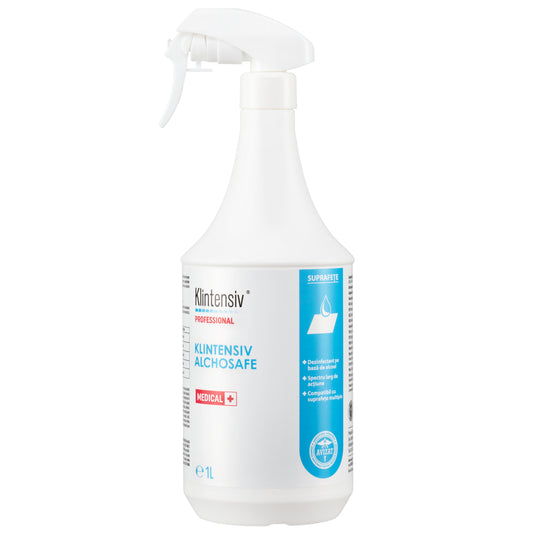
Klintensiv® Alchosafe Dental Impression Disinfectant
Klintensiv® Alchosafe, Professional safety. Without compromises. Discover the disinfectant that combines proven efficacy with care for people and the environment. Klintensiv® Alchosafe offers rapid and complete protection against viruses, bacteria, fungi and mycobacteria, even in dirty conditions. With over 98% biodegradable ingredients and free...5.00 (14)- From 45,00 lei
- From 45,00 lei
- Unit price
- per
-
Klintensiv® Dezicon High-level disinfectant concentrate
Klintensiv® Dezicon concentrated disinfectant detergent DEZICON is the concentrated disinfectant detergent that controls risk in demanding clinical environments. The 2% solution offers proven efficiency (EN 1276, EN 13697, EN 14476 etc.) and extended protection — bactericidal, levuricidal, fungicidal, mycobactericidal, virucidal and sporicidal, with coverage...4.92 (51)- From 104,64 lei
- From 104,64 lei
- Unit price
- per
-
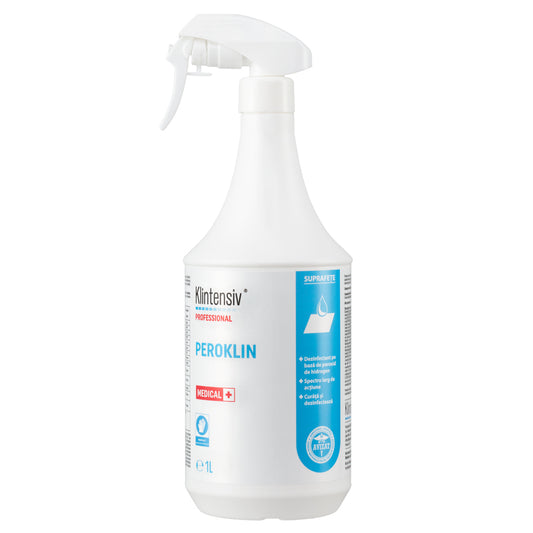
Peroklin® High-level hydrogen peroxide disinfectant
Peroklin® High-level disinfectant Professional disinfection, without compromises, in any sensitive environment.Peroklin is the disinfectant solution designed to combine medical efficiency with environmental safety, featuring over 99% biodegradable ingredients. Whether you use it in a hospital, a private clinic, a laboratory, or a high-traffic area,...5.00 (8)- From 56,92 lei
- From 56,92 lei
- Unit price
- per
-
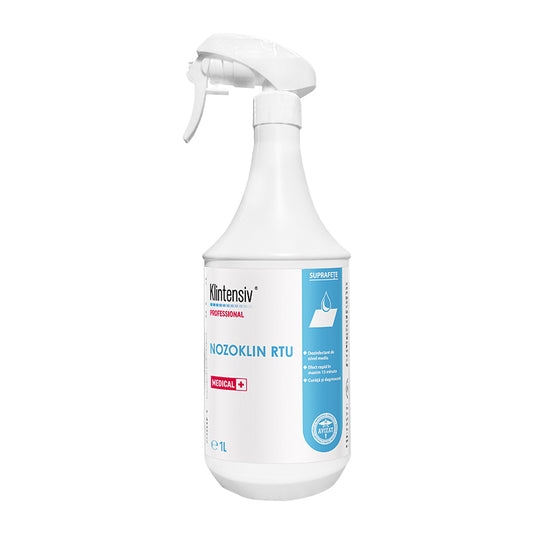
Nozoklin® RTU Professional broad-spectrum disinfectant
Nozoklin® RTU Professional broad-spectrum disinfectant Professional broad-spectrum disinfectant – real effectiveness, without compromises. Nozoklin RTU is the complete solution for the rapid disinfection of surfaces in medical, clinical, or institutional environments. Formulated with over 98% biodegradable ingredients, this ready-to-use disinfectant cleans effectively even in...5.00 (5)- From 20,23 lei
- From 20,23 lei
- Unit price
- per
-
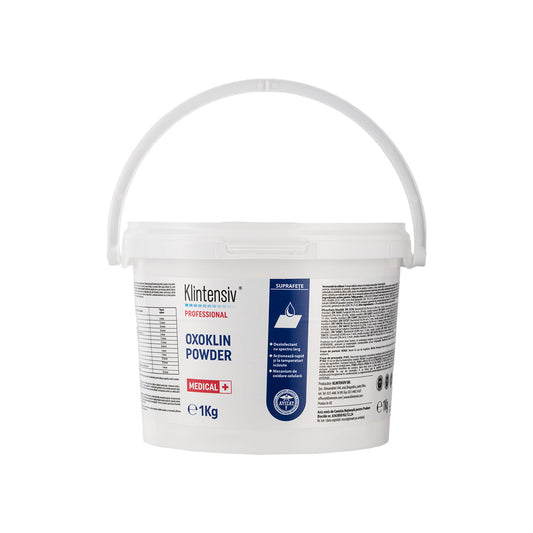
Oxoklin® High-level disinfectant powder detergent
Oxoklin® Powder - High-level disinfectant detergentOxoklin Powder – The power of professional disinfection, in powder form High-level disinfectant detergent, with a broad spectrum of action – bactericidal, fungicidal, yeasticidal, virucidal, mycobactericidal and sporicidal. Ideal for hospitals, clinics, HoReCa. The stable and biodegradable formula offers...5.00 (10)- From 110,82 lei
- From 110,82 lei
- Unit price
- per
-
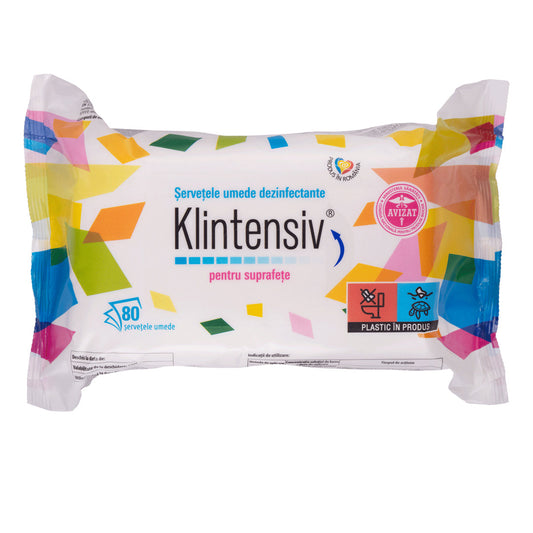
Klintensiv® Disinfectant Surface Wipes
Klintensiv® disinfecting wet wipes for surfaces Pre-impregnated wipes, ready to use, for the cleaning and disinfection of surfaces, medical instruments and devices. Application by wiping, without additional devices, no rinsing required; reduced risk of cross-contamination due to controlled dosage. Main benefits Easy to use,...4.94 (49)- From 21,21 lei
- From 21,21 lei
- Unit price
- per
-
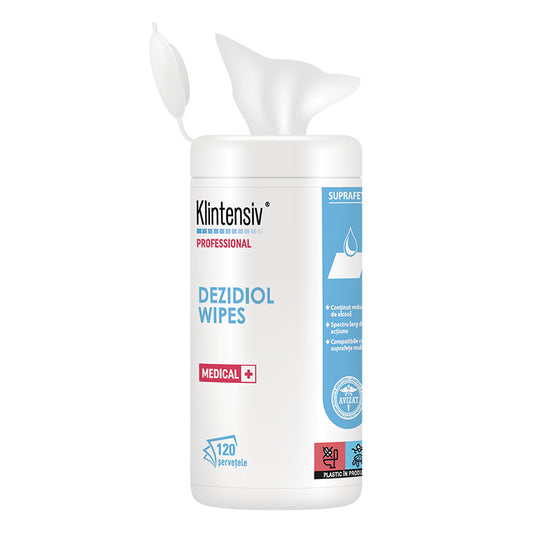
Dezidiol® Wipes alcohol-based surface disinfection wipes PT2
Dezidiol® Wipes – The protection you need, wherever you are. Professionally formulated, rigorously tested, ready for action. Transform your hygiene routine into a quick, safe and efficient gesture with Dezidiol Wipes – ready-to-use disinfecting wipes, specifically created for skin protection and the rigorous cleaning...5.00 (1)- From 53,94 lei
- From 53,94 lei
- Unit price
- per
-
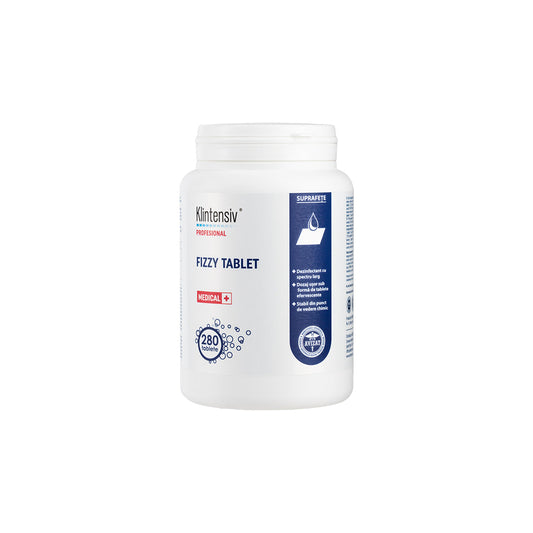
Klintensiv® Fizzy Multifunctional Effervescent Disinfectant Tablet
Klintensiv® Fizzy Tablet – Multi-purpose Effervescent Disinfectant The power of disinfection, concentrated in a tablet.Klintensiv® Fizzy Tablet - a TP2 type biocidal product, is a solid disinfectant in effervescent tablet form, specially formulated for the effective disinfection of surfaces, floors, inventory items, medical instruments,...4.61 (31)- From 12,74 lei
- From 12,74 lei
- Unit price
- per
-
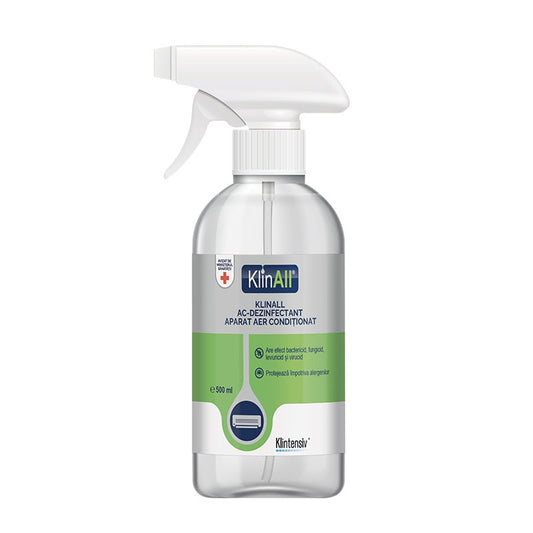
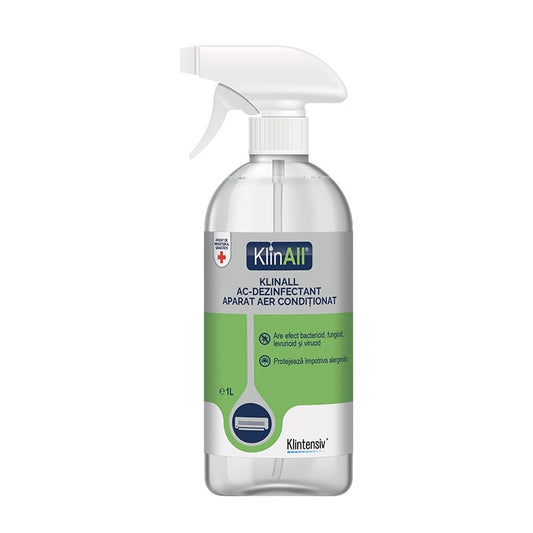
KlinAll® Air Conditioning Disinfectant
KlinAll® – Air Conditioning DisinfectantCleaner air. Reduced allergens. Safe comfort at home. Product description Ready-to-use disinfectant for indoor units of air conditioning systems. It cleans and effectively disinfects surfaces and air paths, eliminating microorganisms that can affect indoor air quality. Spectrum of activity Bactericidal...4.86 (113)- From 13,05 lei
- From 13,05 lei
- Unit price
- per
-
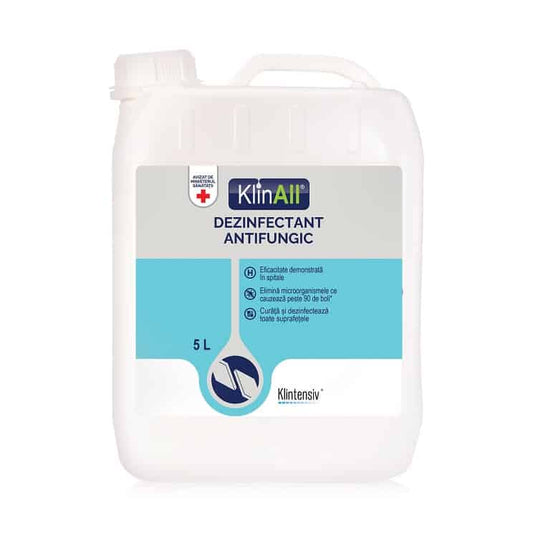
KlinAll® Anti-mold disinfectant
KlinAll® Anti-Mold Disinfectant Professional, ready-to-use disinfectant (PT2) for cleaning and disinfecting surfaces contaminated with or at risk of developing fungi (mold/yeast). Does not stain or bleach, with low foaming, effective even under dirty conditions. Benefits >98% biodegradable ingredients – environmentally friendly No dyes...4.95 (37)- From 16,63 lei
- From 16,63 lei
- Unit price
- per
-
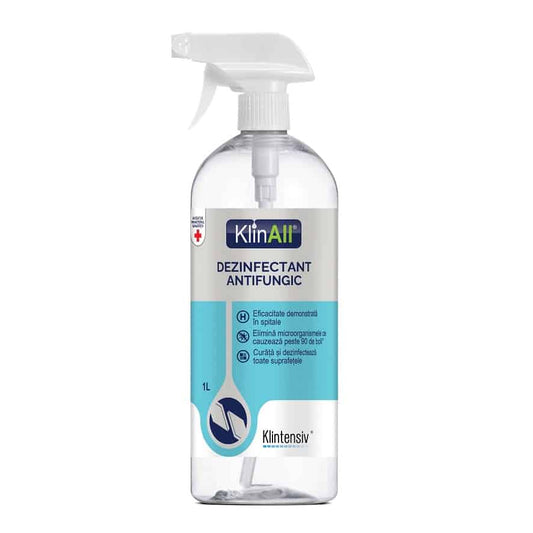
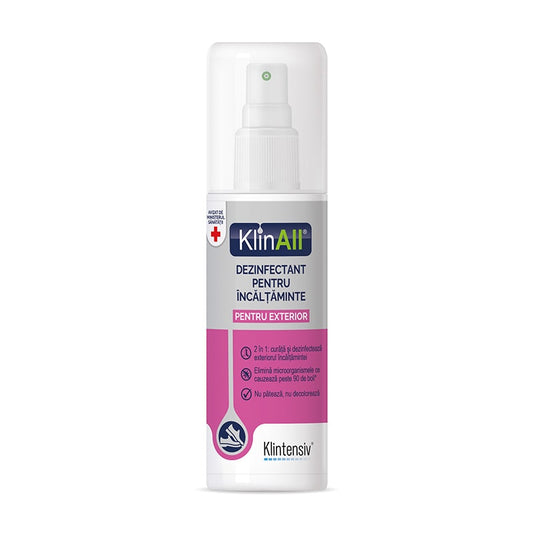
KlinAll® disinfectant spray for footwear exterior
KlinAll® Professional disinfectant for footwear Hygienic cleaning and protection, in a single step. Take care of your health from the very first step! KLINALL® is a 2-in-1 product that efficiently cleans and disinfects the exterior surface of footwear, eliminating microorganisms responsible for over 90...- From 4,24 lei
8,47 lei- From 4,24 lei
- Unit price
- per
-
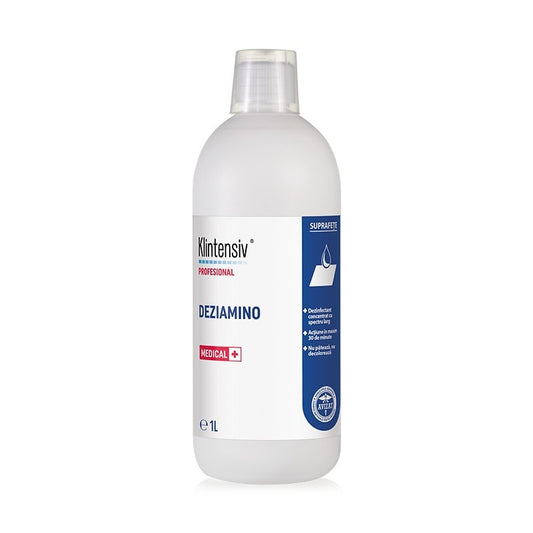
Deziamino® concentrated disinfectant detergent
Deziamino® concentrated disinfectant detergent Deziamino is the professional solution created for the moments when you need the power of a disinfectant and the performance of a detergent. Its concentrated formula, based on a synergistic blend of amine and quaternary ammonium compound, acts on hard,...4.89 (38)- From 70,42 lei
- From 70,42 lei
- Unit price
- per
-
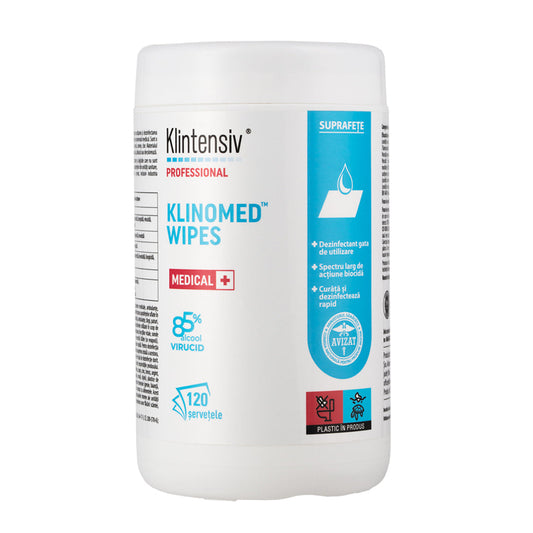
Klinomed® Wipes Impregnated wipes for professional disinfection
Klinomed® Wipes Impregnated wipes for professional disinfection Klinomed Wipes are the professional solution for rapid and efficient disinfection, in the form of ready-to-use wipes. Designed for environments with a high risk of contamination, they offer extensive microbiological protection, effective cleaning, and maximum ease of...5.00 (6)- From 57,63 lei
- From 57,63 lei
- Unit price
- per
-
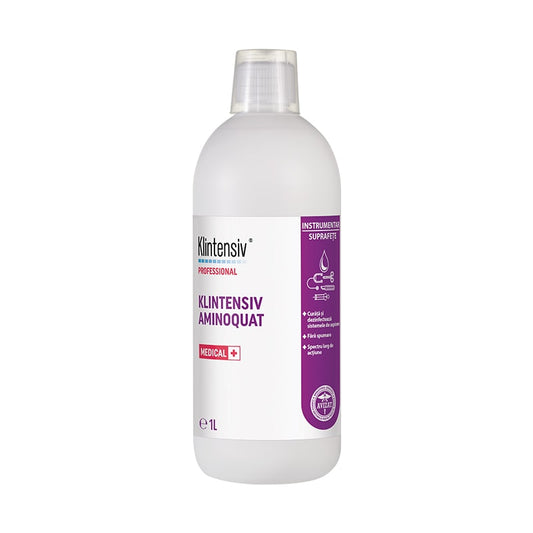
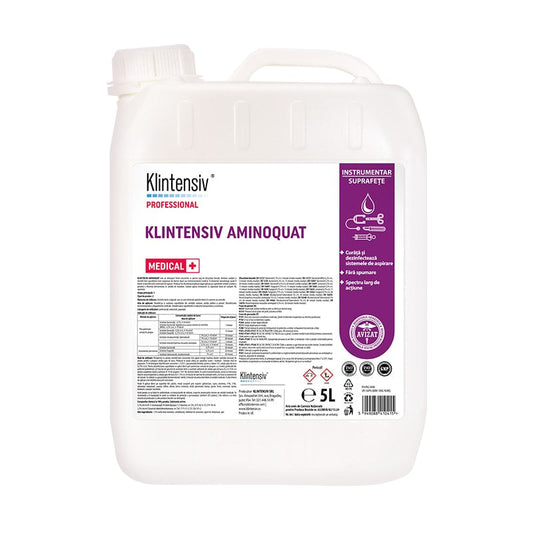
Klintensiv® Aminoquat - Concentrated disinfectant
Klintensiv® Aminoquat – Concentrated disinfectant Deep cleaning. True disinfection.With over a 95% satisfaction rate in hospitals and clinics in Romania, KLINTENSIV® AMINOQUAT is the choice of healthcare professionals who do not compromise.Now you too can have the same level of protection – in the...- From 64,57 lei
- From 64,57 lei
- Unit price
- per
-
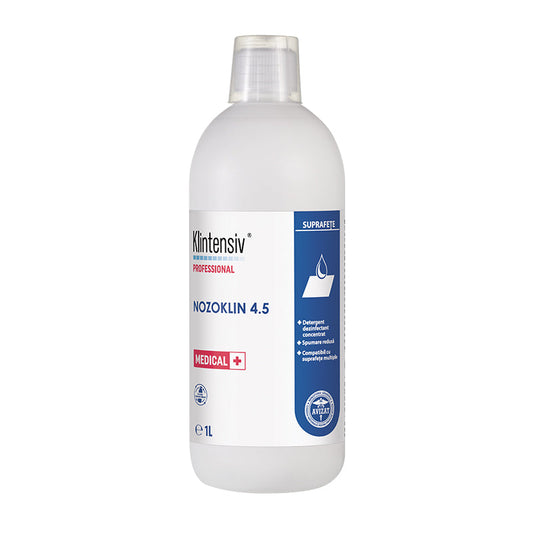
Nozoklin® 4.5 concentrated surface disinfectant
Nozoklin® 4.5 disinfectant detergent for surfaces Nozoklin® 4.5 is the disinfectant detergent for surfaces (PT2) that simplifies your routine and ensures control in a single step: 5% ready-to-use solution, rapid action in minutes (according to EN), >94% biodegradable. When your team uses NOZOKLIN 4.5,...5.00 (1)- From 44,78 lei
- From 44,78 lei
- Unit price
- per
-
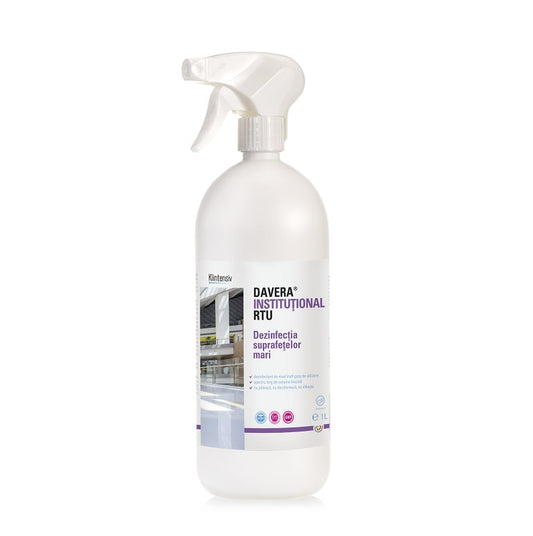
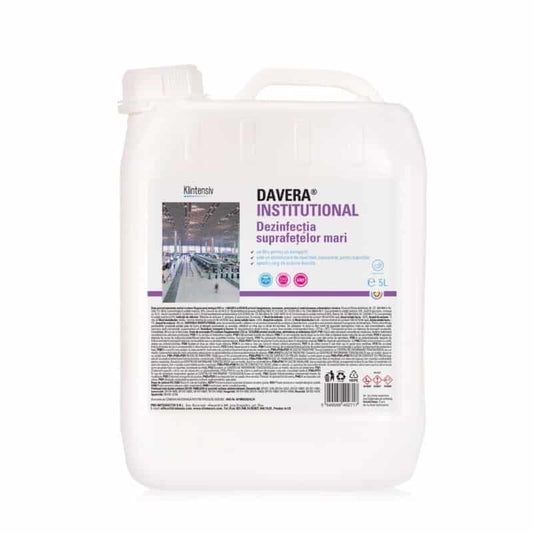
Davera® Institutional RTU, Large Surface Disinfectant
Davera® Institutional RTU, Large Surface Disinfectant Ready to use. Extended protection. It is a professional liquid disinfectant, based on quaternary ammonium salts, specially formulated for cleaning and disinfecting hard and non-porous surfaces in high-traffic areas. Due to its broad spectrum of biocidal action and...5.00 (4)- From 17,14 lei
- From 17,14 lei
- Unit price
- per
-
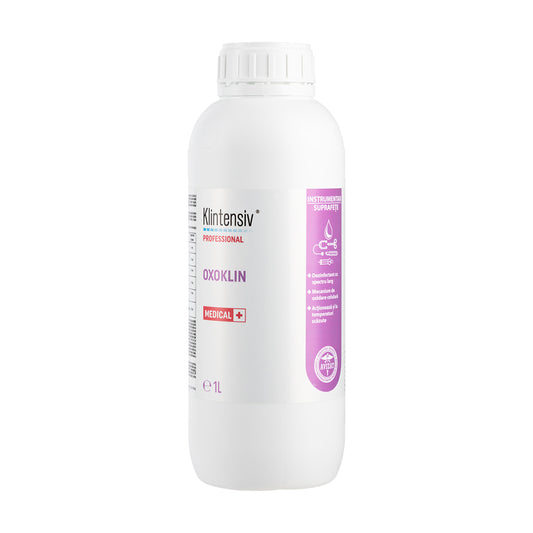
Oxoklin® high-level disinfectant
Oxoklin® Rapid-acting cold chemical sterilant Oxoklin® is a peracetic acid-based cold chemical sterilant intended for industrial and professional use. It has rapid action against bacteria, fungi, yeasts, mycobacteria, viruses, and spores, through a cellular oxidation mechanism. It is effective even at low temperatures and...5.00 (6)- From 53,91 lei
- From 53,91 lei
- Unit price
- per