


Candida auris: An emerging and critical threat to global public health

In a constantly changing infectious landscape, Candida auris stands out as a threat with epidemic potential and a significant impact on healthcare systems. Cases of C. auris infections are increasingly frequent globally, particularly affecting immunocompromised patients admitted for long-term care in intensive care units or chronic care facilities. (***, 2022)
Why is Candida auris especially dangerous? The answer is multidimensional: resistance to multiple antifungals, difficulty of identification in clinical microbiology laboratories, its remarkable ability to colonize the skin, form persistent biofilms, and survive on inanimate surfaces for long periods. These characteristics promote nosocomial transmission and the emergence of difficult-to-control hospital outbreaks.
For medical professionals, especially those involved in infection prevention and control, early recognition and appropriate management of Candida auris infections are becoming a strategic priority.
What is Candida auris?
Candida auris is an emerging species of pathogenic yeast, identified for the first time in 2009 in Japan, where it was isolated from the external auditory canal of a patient. The name auris comes from Latin and means “ear”, referring to the initial site of isolation (Sanyaolu, et al., 2022). Since its discovery, C. auris has rapidly become an etiological agent of major interest in contemporary infectious pathology.
It is characterized by multiple resistance to antifungals, increased transmissibility capacity in the hospital environment, and significant difficulties in microbiological identification. (Sanyaolu, et al., 2022)
It causes severe infections, especially among patients with prolonged hospitalization, who are immunocompromised or mechanically ventilated, and is associated with an increased risk of mortality (~30% in adults and ~15% in newborns) (Ahmad & Asadzadeh, 2023). Unlike other species of the genus Candida, C. auris does not typically colonize the gastrointestinal mucosa, but prefers skin colonization, which facilitates person-to-person transmission and the appearance of nosocomial outbreaks.
Due to diagnostic difficulties and its particular antifungal profile, Candida auris was included in 2022 by the World Health Organization on the list of pathogens with critical priority for public health. (***, 2022)
Symptoms of the infection
Clinical manifestations of Candida auris infection vary depending on the location and severity of the infection. Because most affected patients are already hospitalized with severe pathologies, symptoms can be nonspecific and difficult to differentiate from those caused by other fungal or bacterial infections.
The most common symptoms include (***, 2023):
- Persistent fever (which does not improve despite antibiotic treatment)
- Chills
- Lethargy (extreme fatigue, with no other identifiable cause)
- Arterial hypotension
- Tachycardia
- Hypothermia (in some severe cases)
- Ear pain, a feeling of pressure, or aural fullness (in the case of ear infection)
In invasive infections, C. auris can cause (***, 2023):
- Fungal sepsis
- Bloodstream infections (candidemia)
- Wound infections or abscesses
- Otitis externa
- Urinary tract infections (UTIs)
An important aspect is asymptomatic colonization. Individuals can be carriers of C. auris on their skin or other body surfaces without showing clinical signs of infection. However, they remain a source of its dissemination, especially in hospital settings. (***, 2024)
Modes of transmission

C. auris is transmitted primarily in healthcare settings, especially in hospitals and long-term care facilities. Transmission mechanisms are predominantly direct or indirect contact, not airborne.
Primary transmission routes include (***, 2023), (***, 2024):
- Direct contact with an infected or colonized person (even if asymptomatic)
- Indirect contact through contaminated surfaces or equipment (e.g., manometers, thermometers, ice machines, linens, hospital bed)
-
Use of invasive medical devices, such as:
- Central venous catheters
- Tracheostomy or intubation tubes
- Urinary catheters
- Enteral feeding tubes
C. auris can survive on inanimate surfaces for long periods and resists some common disinfectants. This ability to survive and persist in hostile environments, such as those in hospitals, makes it a particularly difficult pathogen to eradicate in intensive care units.
Important:
- It is not transmitted via the air, is not present in aerosols, and does not spread through coughing or sneezing. (***, 2023)
- Colonization represents a silent source of dissemination. Therefore, screening protocols (e.g., collecting skin swabs) are essential for infection control in hospitals.
Risk factors
Candida auris infections occur predominantly among patients admitted to medical facilities, especially in intensive care units, and particularly affect individuals with significant comorbidities or a compromised immune status. Although skin colonization with C. auris can be asymptomatic, it can progress to invasive infections in the presence of predisposing factors.
Key risk factors include (***, 2023):
- Prolonged hospitalization in hospitals or healthcare facilities, especially in units with documented C. auris transmission
-
Invasive medical devices, such as:
- Central venous catheters
- Urinary or feeding tubes
- Endotracheal tubes or tracheostomies
- Surgical drains
-
Chronic conditions such as:
- Diabetes mellitus
- Hematological neoplasms
- Cardiovascular diseases
- Chronic kidney disease
- Immunosuppression (immunosuppressive therapy, organ transplant, chemotherapy)
- Recent surgical interventions
- Prior antimicrobial therapy, especially prolonged or repeated use of broad-spectrum antibiotics or antifungals
- Advanced age (≥65 years)
- Colonization with C. auris without signs of disease, which can progress to infection under risk conditions (hospitalization, surgery, antibiotics, etc.)
The general population, without risk factors, does not usually develop C. auris infections, and the risk for medical staff or visitors is considered very low.
Diagnosing the infection
Diagnosing a Candida auris infection is a clinical and laboratory challenge, especially due to the difficulty of correctly identifying the species using conventional microbiological methods. Misidentification errors (e.g., confusing it with Candida haemulonii or other rare species) can delay the initiation of appropriate treatment and promote nosocomial spread. (Sanyaolu, et al., 2022)
Clinical evaluation
It is based on recognizing nonspecific symptoms (persistent fever, chills, signs of sepsis), especially in immunocompromised patients or those with invasive devices, who do not respond to antibiotics.
Diagnostic methods:
In clinical cases (symptomatic patients, suspected of active infection) (Caceres, Forsberg, Welsh, et al., 2019):
-
Microbiological cultures from:
- Blood (blood culture)
- Wound secretions, abscesses, urine, sterile fluids (e.g., cerebrospinal fluid – CSF, ascites fluid)
- Ear secretions
- Imaging tests (in selected cases): CT, ultrasound, MRI – useful for detecting complications (abscesses, visceral dissemination)
- Antifungal susceptibility testing – essential for choosing treatment, given the frequent resistance to azoles and sometimes to echinocandins
For screening purposes (to identify asymptomatic carriers, in an epidemiological context) (Caceres, Forsberg, Welsh, et al., 2019), (***, 2022):
- Swabs collected from the axilla, groin, external ear canal, rectum, vagina.
- The collections are painless and sent to laboratories with specific identification capability (MALDI-TOF MS - Matrix-Assisted Laser Desorption Ionization Time of Flight, genetic sequencing, etc.) (***, 2024)
Differential diagnosis:
- Resistant bacterial infections
- Fungal sepsis with other species (C. albicans, C. glabrata, etc.)
- Systemic viral infections
Treatment of Candida auris infection
Management of Candida auris infections requires an individualized approach, guided by the antifungal resistance profile and the clinical severity of the case.
Therapeutic options (***, 2024):
- Echinocandins (caspofungin, micafungin, anidulafungin) represent the first-line treatment, according to CDC and IDSA guidelines.
- Amphotericin B (preferably in a liposomal formula) is used as an alternative in case of failure or resistance to echinocandins; for newborns <2 months, the deoxycholate form is recommended.
- Azoles (e.g., voriconazole) can be used only if there is proven sensitivity; fluconazole is ineffective in >90% of cases.
- Combination therapy may be necessary in severe or multidrug-resistant infections, with careful monitoring.
- Antifungals such as ibrexafungerp (oral) and rezafungin (IV) may be considered in refractory cases. (Ghannoum, Arendrup, Chaturvedi, et al., 2020), (Locke, Andes, Flanagan, et al., 2025)
- Antifungal treatment is indicated only in active infections or upon isolation from a sterile site (e.g., blood).
- Colonization does not require antifungal treatment, but rather strict infection control measures (***, 2023).
- Microbiological monitoring and repeated testing are recommended in case of persistence or worsening.
The therapeutic decision must be made in collaboration with an infectious disease specialist.
Other essential measures in the management of severe cases include removing invasive devices, correcting metabolic imbalances (e.g., blood glucose), supporting organ function, and repeated microbiological monitoring.
Given the nosocomial nature of Candida auris and its high potential for person-to-person transmission, antifungal treatment must be supplemented by rigorous institutional infection control measures, such as contact screening, isolation of confirmed cases, and decontamination with agents effective against fungi.
Prevention and epidemiological control
Preventing the spread of Candida auris (C. auris) infection in medical facilities is a major priority, given the high risk of transmission and the resistance of this pathogen to several treatments and common disinfectants. Effective control relies on a combination of strategies that include (***, Candida auris, ***):
- Rigorous hand hygiene, using soap and water or alcohol-based solutions (ethanol ≥ 70%) or chlorhexidine.
- Standard and contact precautions, with the use of personal protective equipment (gloves, gowns).
- Isolation of infected or colonized patients, either in separate rooms or cohorts (distinct groups), with at least 1 meter between beds and the use of privacy curtains.
- Active screening and epidemiological surveillance, especially in cases of transfer between hospitals and nursing homes, to identify asymptomatic carriers.
- Rigorous disinfection of surfaces and medical equipment (as well as using single-use materials whenever possible), using disinfectants effective against Candida auris – for example: solutions based on active chlorine, hydrogen peroxide, peracetic acid, or specific combinations of quaternary ammonium compounds.
- Education and training of medical staff for compliance with infection control protocols.
- Proactive notification of healthcare facilities when transferring patients if they have tested positive for C. auris in the past.
Hand washing remains one of the most important prevention measures, especially for staff caring for immunocompromised patients or those with invasive medical devices (catheters, tracheostomies, etc.).
Resistance on surfaces
C. auris has a remarkable ability to survive and persist on surfaces, being significantly more resistant compared to other Candida species. Studies have shown that:
- It survives on various types of surfaces (plastic, steel, textiles) for over 3 weeks, in both wet and dry conditions. (Dire, Ahmad, Duze, & Patel, 2023)
- On wet wood, C. auris does not just survive, it multiplies. (Dire, Ahmad, Duze, & Patel, 2023)
This resistance necessitates the application of strict disinfection methods and the exclusive use of substances active against C. auris, avoiding products with low efficacy.
Effective disinfection solutions against Candida auris![]()
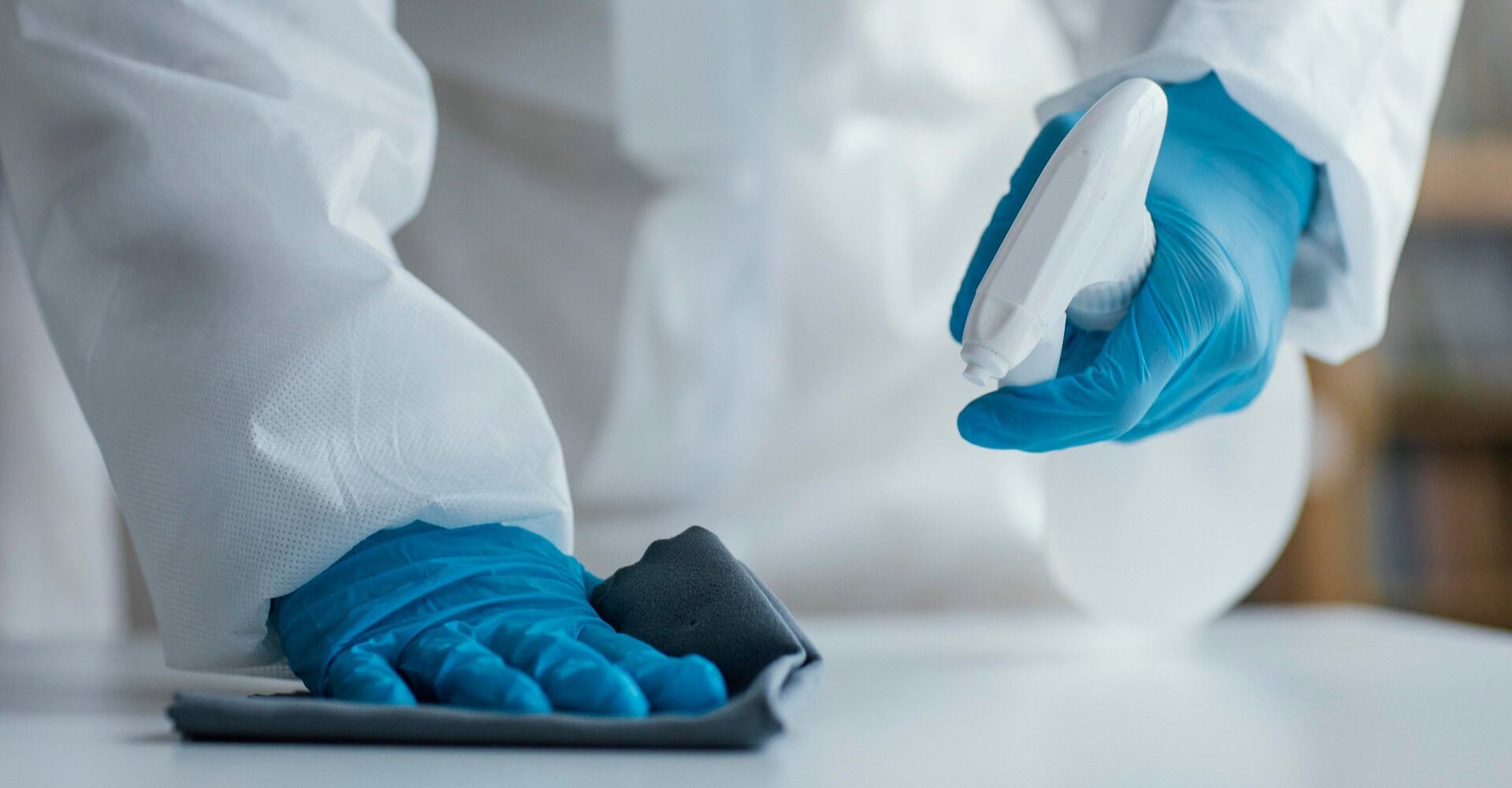
To prevent transmission and limit the spread of Candida auris, rigorous disinfection of hands, surfaces, and medical equipment is essential, and choosing the right substances makes all the difference.
Recent studies show that many frequently used disinfectants, especially those based on simple quaternary ammonium salts, have reduced efficacy against C. auris, particularly in the presence of biofilm. In contrast, ethanol in concentrations between 70% and 85%, hydrogen peroxide, povidone-iodine, and peracetic acid have proven effective. Sodium hypochlorite is active in concentrations of at least 1000 ppm and acts efficiently in less than 10 minutes. Additionally, complex formulations based on quaternary ammonium salts combined with surfactants have a synergistic action and are much more effective than simple quaternary salts, especially in environments contaminated with organic matter. (***, 2024) (***, 2022)
Complementary technologies, such as ultraviolet-C (UV-C) light or ozone, can support the disinfection process, but their effectiveness depends on the type of surface and conditions of use. (***, 2024)
In all situations, prior mechanical cleaning and adherence to recommended concentrations and contact times remain essential for the success of disinfection.
General recommendations for cleaning and disinfection (***, 2024):
- Cleaning 2–3 times/day of patient rooms, with an emphasis on frequently touched areas. This is essential for the biocide to act effectively on contaminated surfaces;
- Terminal disinfection mandatory upon discharge or transfer;
- Use of disinfectants with demonstrated efficacy against yeasts and biofilms, observing the recommended concentrations and times;
- Avoiding reusable equipment or rigorously disinfecting it between uses.
At Klintensiv®, we have adapted our product portfolio to meet these real challenges in hospitals. We offer a range of disinfectant products with demonstrated efficacy against Candida auris, suitable for hands and skin, surfaces, and instruments, which contain the following active ingredients: 85% ethanol, combinations of quaternary ammonium salts + surfactants, povidone-iodine, peracetic acid, hydrogen peroxide (indicated for surface disinfection both by spraying and wiping, and by nebulization, as part of terminal disinfection in outbreaks or ICU rooms).
All products are available in both ready-to-use and concentrated formulas, adapted to various needs in daily medical practice.
Collective effort for effective control
In the fight against Candida auris, proper environmental disinfection is just one link in the prevention chain. Clinical experience and recent scientific data clearly show that success in limiting the spread of this resistant pathogen depends on the consistent application of all epidemiological control measures.
Rigorous adherence to hygiene protocols, continuous training of medical staff, effective communication between healthcare facilities, and regular auditing of procedures are just as important as choosing an effective disinfectant.
Furthermore, rapid adaptation to the evolution of outbreaks, by implementing complementary technologies (UV-C, nebulization, extended screening), can make the difference between an isolated incident and a major hospital crisis.
Therefore, prevention and control of Candida auris infections are not just about products or protocols, but about a collective, sustained, and responsible commitment, where every link counts.
Bibliography
***. (***). www.safetyandquality.gov.au. Retrieved from https://www.safetyandquality.gov.au/our-work/infection-prevention-and-control/candida-auris
***. (2022). Retrieved from chrome-extension://efaidnbmnnnibpcajpcglclefindmkaj/https://cnscbt.ro/index.php/informatii-utile/3365-informare-unitati-sanitare-privind-candida-auris/file
***. (2023). Retrieved from https://my.clevelandclinic.org/health/diseases/25152-candida-auris
***. (2023). Retrieved from https://www.betterhealth.vic.gov.au/health/conditionsandtreatments/Candida-auris#transmission-of-candida-auris
***. (2024). Retrieved from https://www.cdc.gov/candida-auris/about/index.html
***. (2024). Retrieved from https://www.cdc.gov/candida-auris/hcp/clinical-care/?CDC_AAref_Val=https://www.cdc.gov/fungal/candida-auris/c-auris-treatment.html
***. (2024). Retrieved from https://www.canada.ca/en/services/health/publications/diseases-conditions/candida-auris-infection-prevention-control-canadian-healthcare-settings.html#a5
Ahmad, S., & Asadzadeh, M. (2023). Strategies to Prevent Transmission of Candida auris in Healthcare Settings. Current Fungal Infection Reports. Retrieved from https://pmc.ncbi.nlm.nih.gov/articles/PMC9878498/?
Caceres, D., Forsberg, K., Welsh, R., et al. (2019). Candida auris: A Review of Recommendations for Detection and Control in Healthcare Settings. J Fungi (Basel).
Dire, O., Ahmad, A., Duze, S., & Patel, M. (2023). Survival of Candida auris on environmental surface materials and low-level resistance to disinfectant. The Journal of Hospital Infection. Retrieved from https://www.journalofhospitalinfection.com/article/S0195-6701(23)00120-2/abstract
Ghannoum, M., Arendrup, M. C., Chaturvedi, V. P., & al., e. (2020). Ibrexafungerp: A Novel Oral Triterpenoid Antifungal in Development for the Treatment of Candida auris Infections. Atibiotics (Basel, Switzerland). Retrieved from https://pubmed.ncbi.nlm.nih.gov/32854252/
Locke, J. B., Andes, D., Flanagan, S., & al., e. (2025). Activity of rezafungin against Candida auris. Journal of Antimicrobial Chemotherapy. Retrieved from https://pubmed.ncbi.nlm.nih.gov/40304092/
Sanyaolu, A., Okorie, C., Marinkovic, A., Abbasi, A. F., Prakash, S., Mangat, J., & et.al. (2022). Candida auris: An Overview of the Emerging Drug-Resistant Fungal Infection. Infection & Chemotherapy. Retrieved from https://icjournal.org/DOIx.php?id=10.3947/ic.2022.0008


