


The importance of using quality disinfectants to protect the health of patients and medical staff

In hospitals and clinics, protecting the health of patients and medical staff is a priority. Proper disinfection plays an essential role in preventing healthcare-associated infections, which represent a global health issue. The use of high-quality medical disinfectants can significantly reduce biological risks, thereby protecting the lives of patients and the health of medical teams.
In this article, we will analyze the importance of using effective disinfectants, with a particular focus on intensive care units and operating rooms, where the risks are highest.
Why are quality disinfectants essential in hospitals?
Hospitals are places where biological risks are constant, and therefore, the use of high-quality disinfectants is essential for preventing infections and protecting the health of patients and staff. Disinfectants must be effective, safe, and compatible with various medical surfaces and equipment. The effectiveness of disinfection depends primarily on performing it correctly, but also on the quality of water, soap, and the disinfectants used.
According to a World Health Organization study, healthcare-associated infections affect millions of hospital patients worldwide every year, and proper disinfection of hands, surfaces, equipment, and medical instruments is crucial for their prevention (World Health Organization, 2020).
It is also necessary to provide periodic training to medical staff on the correct and safe use of disinfectants, as well as their proper storage. The sensitivity/resistance of microorganisms to disinfectants frequently used in healthcare facilities must be periodically evaluated to monitor effectiveness and to continue making the best decisions for the prevention of healthcare-associated infections.
Biological risks in hospitals: multi-resistant bacteria and other dangerous pathogens
Bacteria resistant to antibiotics represent a major threat in hospitals. They can cause difficult-to-treat infections, such as pneumonia, sepsis, or urinary tract infections.
In May 2024, the World Health Organization drew attention to the deadly threat posed by a group of antibiotic-resistant bacteria, known as "priority pathogens," which constitute the greatest risk to health. WHO classified these superbugs into three categories based on their level of danger: critical, high, and medium: (***, 2024)
Critical priority:
- Acinetobacter baumannii, carbapenem-resistant (usually appears in hospital environments and especially in intensive care units);
- Enterobacteriaceae, third-generation cephalosporin-resistant;
- Enterobacteriaceae, carbapenem-resistant (CRE);
- Mycobacterium tuberculosis, rifampicin-resistant (included after an independent review with parallel adapted criteria and subsequent application of an adapted multicriteria decision analysis matrix).
High priority:
- Salmonella Typhi, fluoroquinolone-resistant
- Shigella spp., fluoroquinolone-resistant
- Enterococcus faecium, vancomycin-resistant
- Pseudomonas aeruginosa, carbapenem-resistant (in hospitals, patients are infected through contact with artificial respiration machines, catheters, or following surgical interventions)
- Non-typhoidal Salmonella, fluoroquinolone-resistant
- Neisseria gonorrhoeae, third-generation cephalosporin and/or fluoroquinolone-resistant
- Staphylococcus aureus, methicillin-resistant
Medium priority:
- Group A streptococci, macrolide-resistant
- Streptococcus pneumoniae, macrolide-resistant
- Haemophilus influenzae, ampicillin-resistant
- Group B streptococci, penicillin-resistant
Bacteria, viruses, and fungi can survive on hospital surfaces for significant periods of time, contributing to the spread of healthcare-associated infections (HAI). Depending on the type of microorganism, the duration of persistence varies considerably. (Kramer, Schwebke, & Kampf, 2006)
Gram-positive bacteria, such as Enterococcus spp. (including vancomycin-resistant Enterococcus), Staphylococcus aureus (including methicillin-resistant Staphylococcus aureus), and Streptococcus pyogenes, can remain on dry surfaces for months. Likewise, gram-negative bacteria, such as Acinetobacter spp., Escherichia coli, Klebsiella spp., Pseudomonas aeruginosa, Serratia marcescens, and Shigella spp., can survive for months on surfaces. Some species, such as Bordetella pertussis, Haemophilus influenzae, Proteus vulgaris, or Vibrio cholerae, persist on surfaces for only a few days. In contrast, mycobacteria, including Mycobacterium tuberculosis, and spore-forming bacteria, such as Clostridium difficile, can survive for months. (Kramer, Schwebke, & Kampf, 2006)
Yeasts such as Candida albicans can persist on surfaces for up to 4 months. Torulopsis glabrata can persist for up to 5 months, while Candida parapsilosis can survive for only 14 days on surfaces. (Kramer, Schwebke, & Kampf, 2006)
Viruses can also survive on surfaces for varying periods of time. Respiratory viruses, such as corona viruses, coxsackieviruses, influenza virus, SARS, or rhinoviruses, can persist for a few days on surfaces. Gastrointestinal tract viruses, such as astrovirus, hepatitis A virus (HAV), poliovirus, or rotavirus, can remain on surfaces for up to 2 months. Blood-borne viruses, such as hepatitis B virus (HBV) or human immunodeficiency virus (HIV), can survive for more than a week. Regarding herpes viruses, such as cytomegalovirus and herpes simplex virus type 1 and 2, they can persist on surfaces from a few hours up to 7 days. (Kramer, Schwebke, & Kampf, 2006)
Multi-resistant bacteria and dangerous pathogens are a particularly serious threat to vulnerable individuals, such as immunocompromised patients, those with chronic diseases, or the elderly admitted to hospitals. Their weakened immune system makes their body less capable of fighting infections, and exposure to antibiotic-resistant bacteria can quickly lead to severe complications.
For example, patients with autoimmune diseases, those undergoing chemotherapy treatments, or those with organ transplants are often more at risk of developing healthcare-associated infections. These infections can be extremely difficult to treat, given that the bacteria involved have developed resistance to multiple antibiotics, making treatment options limited and less effective.
In addition, elderly people, who often have comorbidities and a more fragile immune system, are also much more susceptible to severe infections. In hospitals, where exposure to pathogens is greater, the risk of contamination is significantly increased, and preventing them becomes a major priority.
Therefore, the use of effective disinfectants in healthcare facilities is essential for preventing the spread of pathogens and reducing the incidence of healthcare-associated infections. Rigorous hand hygiene is also essential for protecting these vulnerable patients.
Disinfection in operating rooms and intensive care units
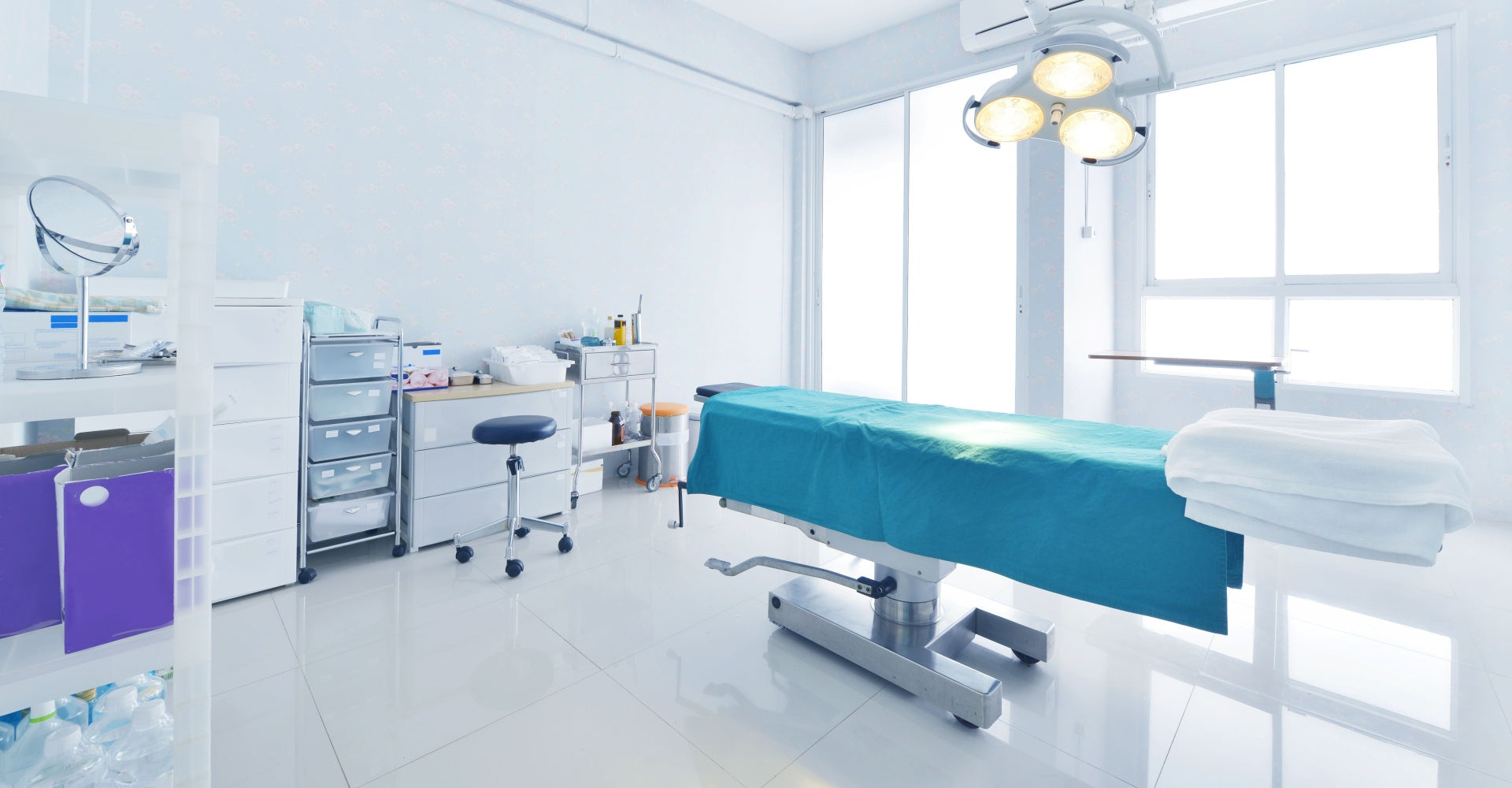
Intensive care units and operating rooms are extremely high-risk areas, where healthcare-associated infections can have fatal consequences. In these environments, where patients are often immunocompromised, protecting them from infections through proper disinfection is vital for their survival.
A correctly applied disinfection protocol in these spaces can prevent contamination with pathogenic microorganisms, thereby reducing the risk of post-operative infections. These measures are extremely important for protecting vulnerable patients, who can develop serious infections due to a weakened immune system or invasive procedures.
Also, studies show that proper disinfection of work surfaces, such as operating tables, surgical instruments, and monitoring equipment, plays a vital role in limiting the spread of multi-resistant bacteria, such as MRSA or VRE (vancomycin-resistant Enterococcus faecium) (Goodman, et al., 2008). Thus, choosing an appropriate disinfectant not only helps maintain a clean environment but also contributes to protecting patients and medical staff from potentially dangerous infections.
How do effective disinfectants protect patients and medical staff?
Medical disinfectants are designed to destroy pathogens and must have a broad spectrum of activity.
Among the most used active ingredients, which stand out for their proven efficacy, we mention: peroxides used in intensive care units, low-concentration alcohols (suitable for disinfecting monitors), and quaternary ammonium salts (used for disinfecting flexible ultrasound probes), ingredients that are also compatible with sensitive surfaces. Diamines can also be used as intermediate-level disinfectants, being effective in disinfecting surfaces or equipment with a moderate risk of contamination.
Hydrogen peroxide acts on a broad microbial spectrum, having greater efficacy against gram-positive bacteria. It is used for disinfecting hard surfaces, semi-critical and non-critical instruments, including flexible endoscopes, biprism tonometers, ventilators, fabrics, and even soft contact lenses (e.g., 3% for 2-3 hours). (Kampf, 2018)
Mode of action: functions as an oxidant by producing free hydroxyl radicals that attack the lipids, proteins, and DNA of microbial agents. (Kampf, 2018)
Products in the Klintensiv portfolio that contain hydrogen peroxide include: Peroklin, Desogen aero, Oxoklin.
Ethanol and isopropanol act against bacteria, viruses, and fungi. They inhibit sporulation, but the effect is reversible. They can be combined in low concentrations to enhance the activity of other biocides. The effect is optimal at concentrations between 60% and 90%. (Kampf, 2018)
Mode of action: denaturation of membrane and cellular proteins. (Kampf, 2018)
Products in the Klintensiv portfolio that contain 85% ethanol include: Alchosept, Klintensiv disinfectant gel, Dezidiol spray, Klinosept, Klintensiv Alchosafe, Dezidiol wipes (TP1 and TP2).
Quaternary ammonium compounds are chemical compounds frequently used as disinfectant agents due to their effectiveness against a wide range of pathogens. They also have cleaning power, with low foaming, work effectively in the presence of organic matter (proteins, fats, carbohydrates), and are compatible with most surfaces. (Kampf, 2018)
Mode of action: they inactivate energy-producing enzymes, denature proteins in the cell wall composition, and alter the cell membrane. They can also denature phospholipids in the cytoplasmic membrane, causing major dysfunctions in membrane transport and the leakage of essential compounds and ions (K+) from the cell. (Kampf, 2018)
Among the products in the Klintensiv portfolio that contain quaternary ammonium compounds are: Surface disinfectant RTU, Sterisol, Dezicon.
Peracetic acid is considered a stronger biocide than hydrogen peroxide, being sporicidal, bactericidal, virucidal, and fungicidal at low concentrations (0.3%). It inactivates bacteria, fungi, and viruses rapidly, and higher concentrations (200-500 ppm) are required in the presence of organic matter. In combination with hydrogen peroxide, it has strong bactericidal activity and can inactivate mycobacteria resistant to glutaraldehyde. Unlike hydrogen peroxide, peracetic acid remains active in the presence of organic matter and at low temperatures. It decomposes into oxygen, acetic acid, and hydrogen peroxide. It is used as a disinfectant for various hard surfaces, hemodialyzers, anesthesia equipment, breathing equipment, endoscopes, endotracheal tubes, and surgical and dental instruments. (Kampf, 2018)
Mode of action: it denatures proteins, disrupts cell wall permeability, and oxidizes sulfhydryl (-SH) and disulfide (S-S) bonds in proteins, enzymes, and other metabolites. (Kampf, 2018)
Among the products in the Klintensiv portfolio that contain peracetic acid are: Oxoklin powder, Oxoklin.
Chlorhexidine has been used as an antiseptic since 1954 and is found in 3 forms: digluconate, acetate, and hydrochloride. It has a broad spectrum of action and high remanence, its action not being influenced by the presence of biological fluids (e.g., blood). It can be used for the hygienic and surgical disinfection of hands, surfaces, and instruments. (Kampf, 2018)
Mode of action: as a positively charged molecule that binds to negatively charged sites on the cell wall, it affects the cellular integrity of microbial agents. (Kampf, 2018)
Among the products in the Klintensiv portfolio that contain chlorhexidine are: CHDG Soap, Klintensiv Davera Soap, Dezidiol spray, Klintensiv Alchosafe, Dezidiol wipes (TP1 and TP2).
Povidone-iodine, a compound of polyvinylpyrrolidone (povidone, PVP) with elemental iodine, retains the antimicrobial efficacy of iodine while reducing its potential for irritation. It is used for the hygienic and preoperative disinfection of hands and for skin disinfection before procedures. Blood culture bottles and medical equipment, such as hydrotherapy tanks, thermometers, and endoscopes, can be disinfected. (Kampf, 2018)
Mode of action: the antimicrobial effect of povidone-iodine is due to free iodine, which acts on -SH or -OH groups in the structure of microbial enzymes or proteins, causing their destruction. (Kampf, 2018)
Among the products in the Klintensiv portfolio that contain povidone-iodine are: Betaklin, Klintensiv PVP Iodine Soap.
The most important aspects to consider before purchasing a disinfectant are: stability in use, toxicity in relation to the intended use, high-level efficacy, and efficiency in dirty conditions (even if the biocide is used in a clean environment, as this ensures an additional reserve of efficacy). It is important to choose products that protect sensitive medical equipment, ensuring that they will not be damaged while maintaining hygiene standards.
Nosocomial infections represent a significant public health issue with harmful effects on patients, medical staff, and healthcare institutions. The role of hygiene in preventing infections cannot be underestimated. Managing biological risks in hospitals is a constant challenge, but the use of high-quality disinfectants can make a significant difference in protecting patients and medical staff. By choosing effective and safe disinfection solutions, hospitals can prevent nosocomial infections and significantly reduce the risks associated with dangerous pathogens. Investing in high-quality products not only improves hospital hygiene but contributes to the safety and health of everyone involved.
Klintensiv offers a wide range of medical disinfectants, in accordance with the strictest quality standards, which are formulated to meet the specific needs of hospitals and clinics in Romania. Visit klintensiv.ro and discover the products that can help you maintain a safe and clean environment in hospitals.
Bibliography
***. (2024). https://www.who.int/news/item/17-05-2024-who-updates-list-of-drug-resistant-bacteria-most-threatening-to-human-health
Goodman, E. R., Platt, R., Bass, R., Onderdonk, A. B., Yokoe, D. S., & Huang, S. S. (2008). Impact of an environmental cleaning intervention on the presence of methicillin-resistant Staphylococcus aureus and vancomycin-resistant enterococci on surfaces in intensive care unit rooms. Infection Control & Hospital Epidemiology, 593-599.
Kampf, G. (2018). Antiseptic Stewardship-Biocide Resistance and Clinical Implications.
Kramer, A., Schwebke, I., & Kampf, G. (2006). How long do nosocomial pathogens persist on inanimate surfaces? A systematic review. BMC Infectious diseases.
Photo source: Shutterstock


