


Head lice, how to get rid of them. A no-holds-barred discussion?

Lice are small insects that live on people's heads. They are about the size of sesame seeds. Lice and nits are found on or near the scalp, most often at the nape of the neck and behind the ears. Lice are parasites and must feed on human blood to survive. In most cases, lice affect children between the ages of three and 11 and their families.
Treatments for lice include over-the-counter or prescription shampoos, creams, and lotions. Although lice are more common in areas with poor living conditions or crowded situations where personal hygiene is lacking, head lice can affect any social class.
Table of contents
- Who does lice affect?
- What are the symptoms caused by lice?
- How do lice spread?
- How do you treat lice?
- How can I prevent a head lice infestation?
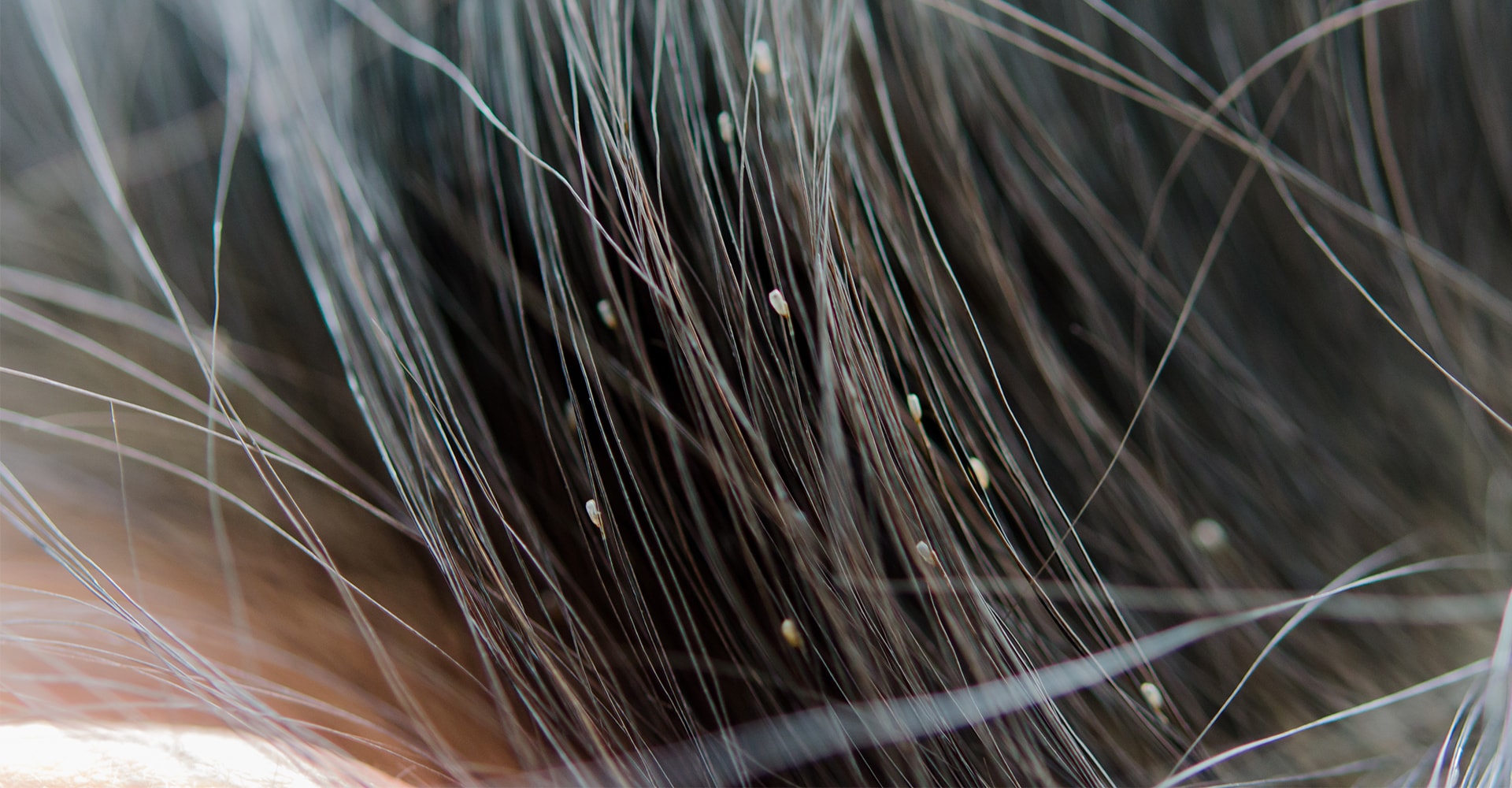
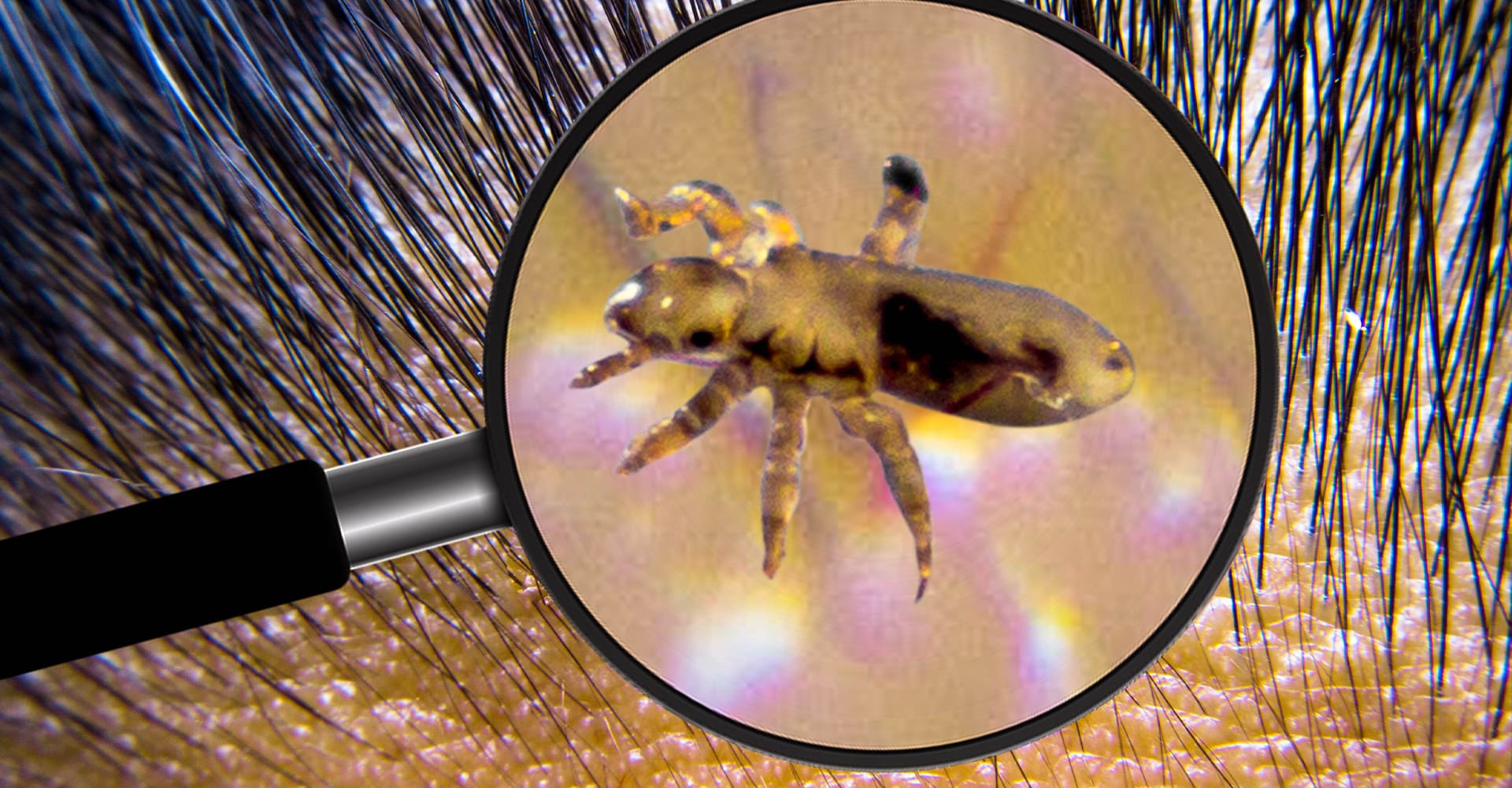
Lice, also known as head lice, are small, crawling insects that live in the hair on a person's head. Lice feed on blood sucked from the scalp and lay eggs (commonly called nits) that attach firmly to the hair near the skin's surface. An adult louse measures 1 to 2 mm for males and 3 to 4 mm for females. Morphologically, it is wingless with a flat body, antennae, and 6 legs, ending in a sharp, curved claw. These claws are used to hold onto the hair. An infestation with lice is called pediculosis.
Who does lice affect?
Lice can affect anyone, but they occur most often in children aged 3 to 11 and, naturally, other members of their family. Children are more at risk because they have head-to-head contact with other children when playing together and may share items that come into contact with their hair. For this reason, the insects are also called hair lice.
Lice infestations are common, affecting approximately 6 million to 12 million people each year (Source).
What are the symptoms caused by lice?
The most common symptom of lice is itching, especially on the back of the head and neck and near the ears—areas where lice are more likely to live.
Symptoms of head lice include:
- The sensation of something moving (tickling) in your hair.
- Itching.
- Sores from itching and scratching.
- Difficulty sleeping.
- Lice are most active at night, which can disrupt sleep.
Frequent scratching can break the skin on the scalp, which may lead to an infection. A person could get lice because the insects crawl from one person to another through direct contact or by sharing items used in common—including combs, brushes, and hats—with another person who has lice. It is worth noting that poor hygiene does not cause lice.
How do lice spread?
Head lice cannot fly or jump, so they spread by crawling from one person to another during close contact. Although rare, lice can spread through personal items such as towels, bed sheets, hairbrushes, or hats. Animals and pets cannot get or spread lice to humans.
A female lays 3 to 8 eggs (nits) per day. The eggs are firmly attached to hair shafts, 1.5 cm from the scalp, and rely on heat from the head until they hatch. Head lice have no wings or jumping legs, so they cannot fly or jump from head to head. (Source)
Diagnosis of pediculosis is made through visual inspection. If you look closely at your child's hair, in immediate proximity to the scalp, you might see small white nits attached to the hair strands. Nits look like dandruff, but they are not as easy to brush or shake out of the hair. Adult lice can move quickly and are hard to see.
You can check for lice if you suspect your child has unwanted guests by slowly running a fine-toothed comb or a special lice comb through the child's hair to locate nits or lice.
How do you treat lice?
Treatment for lice includes the use of shampoos, lotions, or creams that eliminate lice. Medicated over-the-counter shampoos contain a substance called pyrethrin or permethrin that kills lice and nits.
Lice and nits attach to hair strands and can be difficult to remove unless you use a fine-toothed comb to loosen them. After using a comb or brush, soak it in hot water for 10 minutes.
Make sure to follow the instructions regarding the use of anti-lice solutions. It is important to establish that you cannot get lice from shampoo, as is popularly believed.
Klintensiv Tip: Using a special lotion is the most effective way to remove lice. Although traditional methods might yield some results, the risks are increased, especially when using highly invasive substances such as kerosene.
Treating resistant "super lice"
Over the years, some lice have evolved so that over-the-counter treatments are not 100% successful. Powerful prescription medications are available that can eliminate super lice with a single dose. It is best to have a discussion with your pediatrician if the first lice treatment does not work.
How do I get rid of lice with shampoo?
- Read the instructions on the bottle label.
- Apply the treatment to the scalp and work the product throughout the entire hair. Do not apply the product to other body hair.
- Follow the recommended treatment instructions to determine how long you should leave the treatment on the hair before rinsing it out.
- After rinsing the treatment out of the hair, use a fine-toothed comb to remove the dead lice and nits.
- Reapply the treatment according to the instructions, if necessary.
Sometimes multiple treatment sessions are needed to completely eliminate lice and nits from the hair. It could take up to three weeks to get rid of all the lice.
How can I prevent a head lice infestation?
The best prevention is not to share combs, brushes, towels, or hats with other people and to avoid physical contact with someone who has lice. It is also helpful to examine children's hair every time you notice them itching or after they return from trips or camps.
Take the time to teach your children about lice and advise them to:
- Avoid head-to-head contact when playing with other children.
- Not borrow hats or other items that they place on their heads.
If someone in your family has lice, you can prevent the spread of lice by:
- Washing clothing, bedding, and fabrics in hot water. Dry them on a hot cycle in the dryer. If there are items such as a hat or stuffed animals that you cannot wash or dry, seal them in a plastic bag for two weeks.
- Soaking hairbrushes and combs in hot water for up to 10 minutes after use.
- Vacuuming areas of the house and around furniture where a person with hair lice may have sat or played.
What can I expect if I have lice?
Some hair lice cause temporary irritation that disappears effectively with the treatment of a medicated shampoo, lotion, or cream. Multiple treatments may be needed to get rid of lice completely, so be sure to follow the instructions on the treatment packaging.
It is important to know that there are no head lice that spread disease. However, frequent scratching could break the skin on the scalp, which could lead to infections. If your child has lice and cannot stop scratching, contact a pediatrician as soon as possible.
How long do lice live on hair?
With effective treatment, lice will completely disappear after two to three weeks. The duration depends on how many lice have made a home in your hair. Ensure you apply all necessary methods to get rid of the problem as quickly as possible. In general, lice can live for up to 30 days or more on the head if left untreated.
When can my child return to school after having lice?
Children who have lice do not necessarily have to stay home. However, because head lice spread through close contact, it is important to notify school or kindergarten administration so that all necessary precautions can be taken. Remind your child to avoid head-to-head contact with other children during play.
Other parents should be informed about a confirmed case of lice so that they can check and treat their children as necessary.
How do I take care of myself and my family?
Lice symptoms can create sleep disturbances and cause excessive itching and discomfort. Treat lice at the first sign with a medicated over-the-counter shampoo, lotion, or cream. If you notice the situation worsening and the lice are not going away, see a doctor.
Also, contact a doctor if you notice signs of an infection:
- Fever
- Sores on the scalp that do not heal
- Pain or tenderness on the head
- Redness or swelling on the scalp
Klintensiv Tip: There is no scientific evidence that traditional, homemade remedies, such as using salt or other food products like olive oil or mayonnaise, destroy lice. The only recommended treatment for head lice are shampoos, lotions, or creams specially designed for lice.
Are lice the result of poor hygiene?
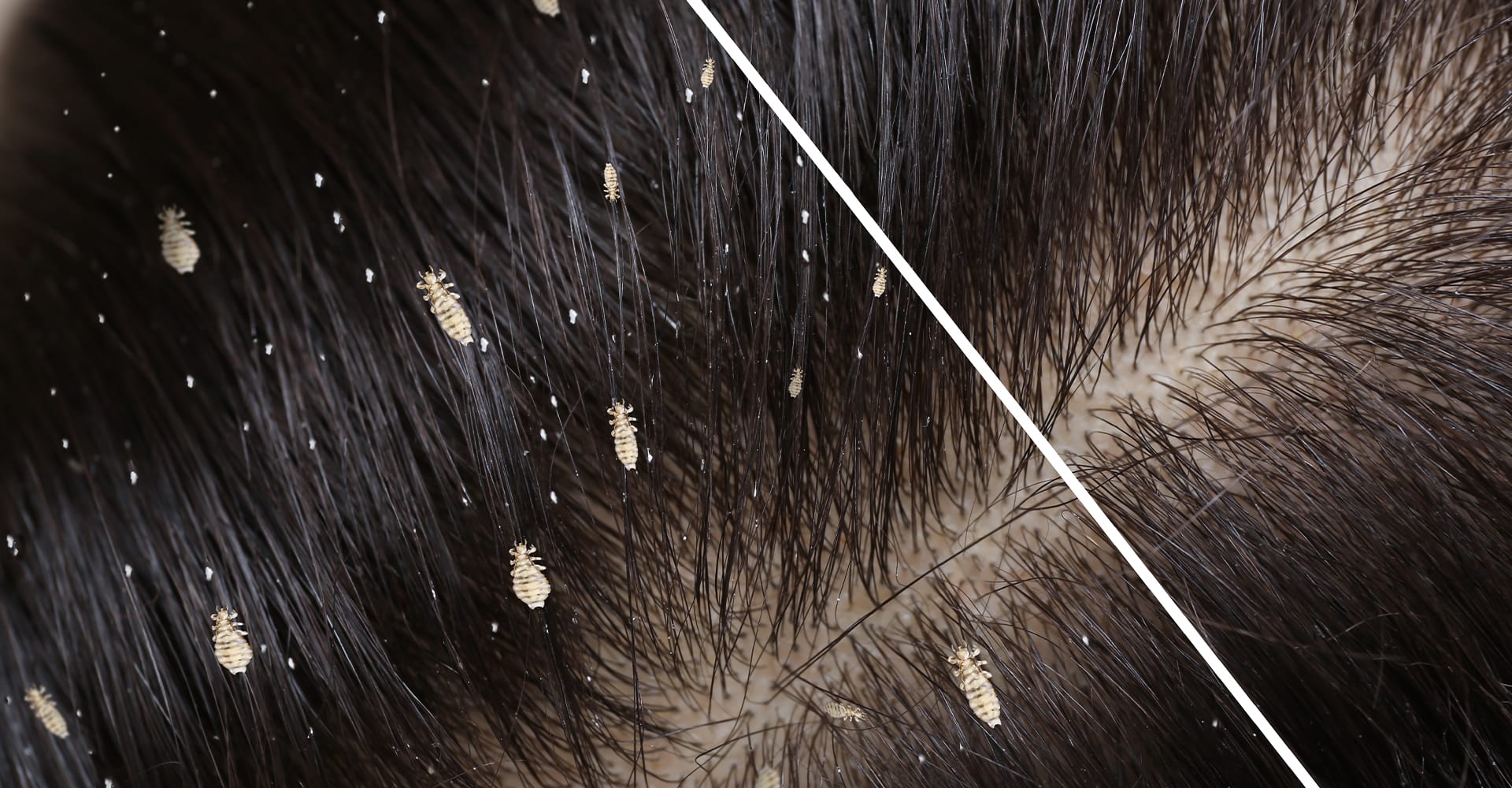
No, head lice infestation does not happen because someone has poor hygiene. Lice spread from person to person during close contact or by sharing items that touch the hair of a person who has lice. Anyone can get lice, regardless of their hygiene.
Conclusions
Pediculosis is an infestation of hairy parts of the body with lice eggs, larvae, or adult lice. Usually, the first sign of an infestation is itching in the area of the body from which the lice are feeding. It can take two to three weeks or longer for a person to notice the intense itching associated with this infestation.
Physical contact with infested persons and their belongings should be avoided, especially clothing, headwear, and bed linens (sheets, etc.). Health education regarding the lice life cycle, proper treatment, and the importance of washing clothes and bed linens in hot water or dry cleaning to destroy lice and nits is invaluable.
Additionally, it is important to periodically perform a direct inspection of children's heads and, when indicated, their body and clothing. Using anti-lice treatments is an effective method to eliminate the problem.
Sources:


