


MRSA: epidemiology, transmission, treatment and prevention strategies in healthcare and community settings

Methicillin-resistant Staphylococcus aureus (MRSA) is a variant of S. aureus that has developed resistance to beta-lactam antibiotics, including methicillin, penicillins, and sometimes cephalosporins and carbapenems [1]. This resistance significantly reduces therapeutic options and increases the severity of infections. MRSA can cause skin infections, pneumonia, osteomyelitis, joint infections, endocarditis, and bacteremia [1].
Initially, the circulation of these strains was predominantly in healthcare settings, but community-associated strains have expanded in recent decades, also affecting individuals without contact with healthcare facilities [1]. The healthcare-associated form exhibits a broader resistance profile and generates the majority of severe infections.
Epidemiology and risk factors
Severe infections are encountered primarily in hospitals and care centers, where a very high proportion of serious cases occur in hospitalized patients [3]. The risk of MRSA increases with prolonged hospitalizations, surgical interventions, the use of catheters or other invasive medical devices, immunosuppression, diabetes, open wounds, or treatments that affect the immune system [1,5].
In the community, the risk is increased among individuals involved in contact sports, those living in collective environments, those who share personal items or sports equipment, and those who inject non-medical substances [1].
Transmission methods
MRSA transmission occurs through direct contact and indirect contact with contaminated surfaces or objects (sheets, towels, clothes, razors, etc.), as the bacteria can survive for long periods [1]. In healthcare settings, transmission is facilitated by invasive devices, insufficiently decontaminated equipment, and violations of hygiene protocols [1]. It is not transmitted via the air [3].
Clinical manifestations and complications
MRSA skin infections frequently present as inflamed, painful, warm-to-the-touch areas, often filled with pus or liquid, sometimes resembling spider bites [1,5]. Internal infections can cause fever, chills, dyspnea, chest pain, fatigue, and malaise. The spread of the infection can lead to pneumonia, bone or joint infections, endocarditis, and sepsis [1].
In severe forms, complications include septic shock, respiratory failure, multi-organ damage, and, in extreme cases, amputations in the context of necrotizing infections [1]. Mortality in MRSA bacteremia ranges between 20% and 50%, depending on comorbidities and the speed of treatment [1].
Diagnostic methods
Diagnosis is achieved through bacterial culture from blood, urine, sputum, or wound secretions [1]. Molecular testing can rapidly detect resistance genes, providing significant value in situations requiring urgent therapeutic decisions [6]. Colonization screening is performed by collecting nasal, oropharyngeal, or inguinal swabs and is frequently used before surgical interventions or in high-risk units [5].
Screening of medical personnel is not routinely recommended, but only in situations with documented epidemiological justification [4].
Treatment methods
Treatment of MRSA infections involves proper wound care, starting with draining purulent collections and surgical removal of infected tissue when necessary. If contaminated medical devices (including prostheses) are involved, they may require removal to control the infection. In severe forms, therapy is conducted in the hospital, where antibiotics are administered intravenously under medical monitoring. Therapeutic options include vancomycin, linezolid, daptomycin, clindamycin, rifampicin, ceftaroline, trimethoprim/sulfamethoxazole, doxycycline, and delafloxacin [1, 7].
Prevention strategies in healthcare settings
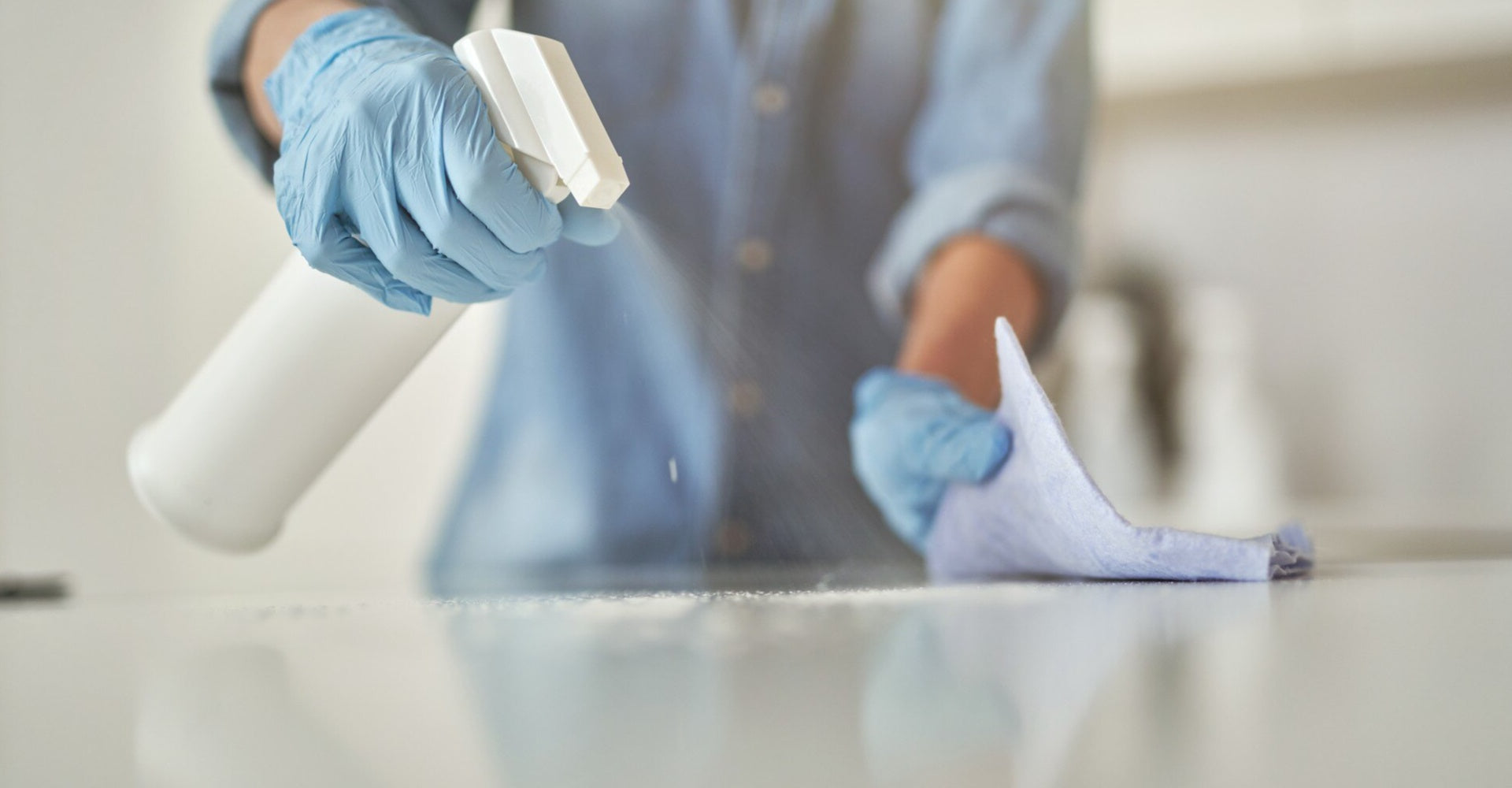
MRSA control is based on integrated strategies that address the patient, medical staff, the environment, and devices. Four main directions are accepted: patient decolonization, environmental decontamination, prevention of human-to-human transmission, and prevention of infections associated with invasive devices and procedures [2].
Decolonization includes the use of nasal mupirocin applied selectively or universally in high-risk patients, with the need to monitor resistance to the agent used. In hospital protocols, intranasal decontamination is applied for 5–10 days, every 12 hours, and in the absence of mupirocin, other effective topicals can be used. In high-risk populations (e.g., surgery with high infectious risk, intensive care, marked immunosuppression), nasal decolonization is part of standard interventions [4,7].
Skin decolonization is based on daily washes for five consecutive days using agents with demonstrated efficacy against Staphylococcus aureus. 4% chlorhexidine preparations represent the standard applied in most protocols due to their persistent activity on the skin and documented efficacy in reducing colonization. 7.5% Povidone-iodine is listed as a valid alternative for body decolonization and can be used in the same daily regimens. The efficacy of 4% chlorhexidine and 7.5% povidone-iodine is considered equivalent for non-nasal decolonization [4,7].
In patients with colonization in multiple sites, topical decolonization may require systemic antibiotic treatment (trimethoprim/sulfamethoxazole or doxycycline + rifampicin; vancomycin in case of resistant strains), and for intestinal or vaginal colonization, specific preparations can be used (oral vancomycin; betadine or chlorhexidine ovules). During decontamination, it is recommended to change body and bed linen daily to reduce the risk of recolonization [4,7].
It is essential for medical teams to decide between universal and targeted decolonization:
- universal decolonization is indicated in ICU and high-risk wards or those with high MRSA acquisition rates;
- targeted decolonization is applied to patients with invasive devices or those identified as colonized/infected [2].
The environment must be rigorously cleaned and disinfected, especially high-touch areas and reusable equipment, using approved standard products. Hospitals must implement programs to monitor cleaning quality, including methods such as direct observation, surface cultures, fluorescent gel monitoring, or ATP testing, each with distinct limits and benefits. Terminal decontamination is mandatory after the discharge of MRSA patients and after surgical interventions performed on colonized/infected patients [2,4].
Prevention of human-to-human transmission involves rigorous hand hygiene, compliance with contact precautions, the use of personal protective equipment, and avoiding unnecessary patient transfers. Personnel must be continuously trained in the correct application of infection control measures, and high-risk wards must have staff dedicated exclusively to those patients. Cohorting patients, using dedicated equipment per room, and avoiding reusable items are additional measures with demonstrated efficacy [2].
Invasive procedures and medical devices require strict aseptic handling protocols, periodic maintenance and disinfection of catheters, and reduction of usage duration. Prevention of surgical site infections involves preoperative decolonization, adequate antisepsis, and application of safety standards in the operating room. Colonized patients who cannot be decontaminated may require perioperative prophylaxis with vancomycin [2,6].
Prevention in the community
Prevention measures include careful hand hygiene, proper wound care, avoiding the sharing of personal items, regular sanitization of laundry, showering after sports activities, and cleaning and disinfecting surfaces and sports equipment frequently exposed to skin contact [1,3].
Painful, erythematous, or purulent wounds require rapid medical evaluation to prevent complications [5].
MRSA remains a major pathogen associated with healthcare and the community, requiring strict prevention and management measures. Reducing its incidence requires an integrated program based on adequate screening, decolonization, rigorous environmental control, transmission prevention, careful management of medical devices, and judicious use of antibiotics. Consistent implementation of these measures allows for a significant reduction in infections and improvement in patient safety.
Bibliography
1. ***. (2024). Retrieved from https://my.clevelandclinic.org/health/diseases/11633-methicillin-resistant-staphylococcus-aureus-mrsa
2. Quality, A. f. (2024). Retrieved from https://www.ahrq.gov/hai/tools/mrsa-prevention/toolkit/key-strategies.html
3. ***. (2024). Retrieved from https://msdh.ms.gov/page/14,5514,271,341.html
4. Group, R. C. (2013). Retrieved from https://www.his.org.uk/guidelines/guidelines-and-guidance-by-topic/mrsa-guidelines/
5. ***. (2023). Retrieved from https://www.nhs.uk/conditions/mrsa/
6. Xing, S. Y., Wei, L. Q., Abushelaibi, A., Lai, K. S., Lim, S. H., & Maran, S. (2022). Current molecular approach for diagnosis of MRSA: a meta-narrative review. Drug Target Insights. Retrieved from https://pubmed.ncbi.nlm.nih.gov/36761068/
7. Popescu, G.-A., Szekely, E., Codiță, I., Tălăpan, D., Șerban, R., & Ruja, G. (2016). Retrieved from chrome-extension://efaidnbmnnnibpcajpcglclefindmkaj/https://cnscbt.ro/index.php/ghiduri-si-protocoale/519-diagnosticul-profilaxia-si-tratamentul-infectiilor-determinate-de-staphylococcus-aureus-meticilinorezistent-mrsa/file


